
Signs of ear mites in dogs
While ear mites are tiny, the problems they cause are anything but. Here are the most common symptoms of ear mites in dogs, including early warning signs to more advanced ear problems.
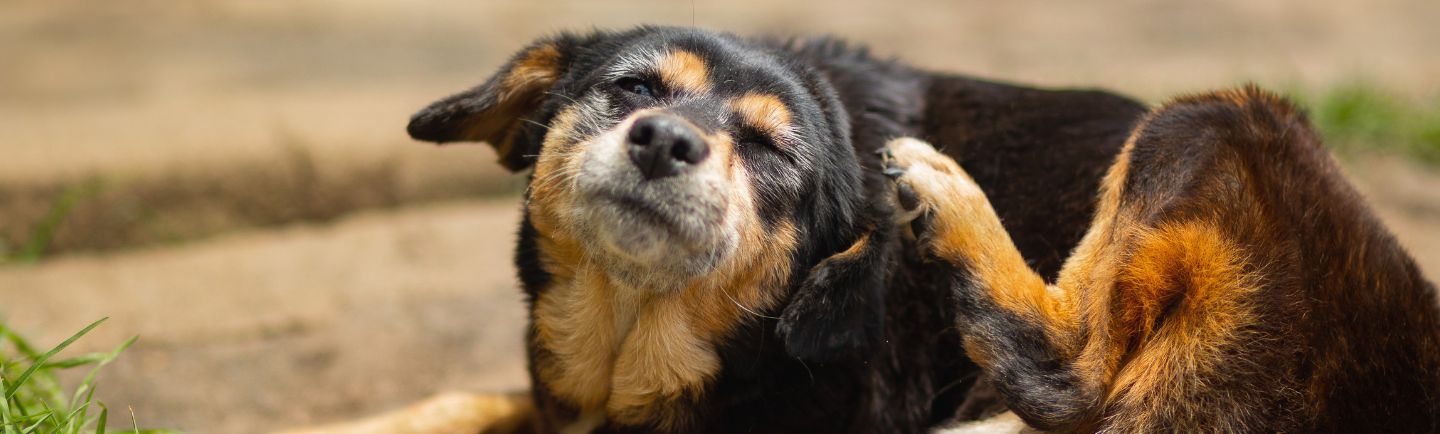
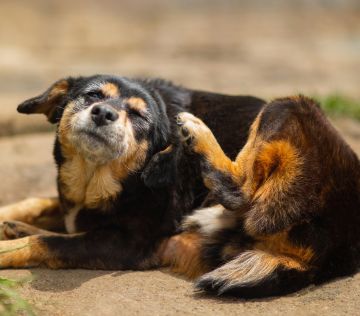
Itchy ears
One of the most noticeable symptoms of ear mites in dogs and puppies is itchiness of the ears. Dogs with itchy ears may scratch or rub their ears.
Head shaking
Dogs with ear mites may frequently shake their head trying to relieve the discomfort.
Ear inflammation and redness
An early sign of ear mites in dogs can be redness or irritation of the skin on the inner ear flap and entrance to the ear canal.
Dark, waxy ear discharge
Ear mites feed on skin oils and wax, leaving behind a thick, dark discharge that looks like coffee grounds.
Unpleasant odour
A musty or foul smell from the ears is a warning sign of infection. While not caused directly by the mites, their presence often creates the conditions for secondary bacterial or yeast infections to take hold.
Treatment of ear mites in puppies and dogs
If you’ve spotted signs of ear mites, the first step is a proper diagnosis from your vet, who may examine a sample from the ear canal under a microscope to confirm the presence of mites.
Treatment typically involves:
• A vet-recommended mite treatment such as NexGard SPECTRA®
• Cleaning your dog’s ears as directed to remove debris
• Treating all pets in the household, since ear mites spread easily between animals
Timely treatment can resolve symptoms of ear mites in dogs and puppies quickly and helps to prevent complications like secondary infections.
As with all parasites, prevention is better than cure. Simple monthly dosing with NexGard® for Dogs or NexGard SPECTRA® for Dogs protects against ear mite infestations.
FAQs
-
How do you know if your dog has ear mites?
As you consider the signs of ear mites in dogs, look for constant scratching, dark ear discharge, head shaking or inflamed ears. These are indications your dog may have ear mites, though an examination by a vet is the only way to confirm the diagnosis.
-
What can be mistaken for ear mites in dogs?
Infection with bacteria or yeast, allergies, or foreign objects in the ear canal can cause similar symptoms in puppies and dogs. That’s why it’s important to visit your vet for a proper diagnosis.
-
What happens if ear mites are left untreated in dogs?
Left untreated, ear mites can lead to severe inflammation, secondary infections, scarring, and pain. Early intervention is always the best course of action.
Related Articles

Find out more about what dog ear mites look like and the symptoms of ear mites in dogs and puppies.

Wondering what do mites look like on dogs? Learn what mites look like on dogs in our complete guide on dog mites and mange.
As a pet owner, you want your pooch to be happy and healthy. Learn more about ear mites in dogs, such as the symptoms of ear mites, how to treat them and how you can protect your dog.

Your dog’s been shaking their head, scratching their ears and now you’re starting to wonder, ‘How does a dog get ear mites in the first place?’ After all, these tiny parasites can cause big problems, even in well-cared-for pets.

Concerned about mites on your dog? Learn about the symptoms and how NexGard® and NexGard SPECTRA® can protect your dog.


Find out more about ear mites in puppies, including what ear mites look like, symptoms and how to treat them.