


What are worms?
Worms are internal parasites. There are several types of worms that can live in the intestines of dogs, including roundworms, hookworms, whipworms, and tapeworms. Depending on the type of worm, infected dogs may show signs like diarrhoea, weight loss, bloating, scooting, or a dull coat. However, some dogs show no signs at all.
How do dogs get worms?
Dogs don’t need to do anything unusual to get worms; some worms can be picked up through normal, everyday behaviours.
Here are some of the typical ways dogs get worms:
- Contaminated environments
This is one of the most likely causes of dog worms. Dogs can become infested when they ingest soil, sand, or vegetation contaminated with worm eggs or larvae, or for some worms, when the larvae penetrate the dogs skin as they walk through a contaminated area.
- From their mother
Puppies can be born with worms or acquire them shortly after birth through their mother’s milk, making early deworming essential.
- Hunting
Although less common than with cats, dogs that eat small animals like rodents or birds are at risk of picking up worms. These animals may be infected with worm larvae that can infect your dog when consumed.
- Fleas
Dogs can get tapeworms by swallowing infected fleas during grooming. This often surprises owners, but how do dogs get worms through fleas? The tapeworm larvae live inside the flea and are released when the flea is digested.
Why are worms a problem?
Worm infestations can cause a range of signs, from mild to life-threatening.
Here’s why worms are a serious concern:
- Nutrient loss: can lead to weight loss, poor coat condition, and fatigue.
- Digestive upset: diarrhoea, vomiting, and bloating are common symptoms.
- Anaemia: blood-feeding worms like hookworms can cause severe blood loss, especially in puppies.
- Zoonotic risk: some worms can infect humans, especially children, making protecting family pets from parasites critical.
How to treat and prevent worms in dogs?
Routine deworming with a vet-recommended product such as NexGard SPECTRA® is recommended to protect dogs from worms. NexGard SPECTRA treats and controls roundworms, hookworms and whipworms and prevents flea tapeworm infestations by rapidly killing fleas. It also protects against fleas, ticks, mites, lice and heartworm, all in one tasty, monthly chew. Other measures to protect pets and people from worms:
- Clean up dog faeces promptly
- Prevent scavenging or hunting behaviour
- Hand washing
FAQs
-
Can my dogs catch worms from another dog?
Except for puppies which can become infected from their mother during pregnancy of through her milk, worms are not typically transmitted by direct contact with other dogs. Contaminated environments such as dog parks, hunting small animals, or flea infestations are ways dogs typically get worms.
-
Are dog worms contagious to other dogs?
Typical ways that dogs get worms is from contaminated environments such as dog parks, by hunting small animals, or flea infestations. Worms are not usually transmitted by direct contact with other dogs, except young puppies which can be infected from their mother.
-
Can humans get worms from dogs?
Yes, certain worms like roundworms and hookworms can infect humans. Deworming dogs monthly, cleaning up dog faeces promptly and good hygiene (e.g. hand washing) help to minimise this risk.
-
Can dogs get worms from the garden?
Absolutely. Contaminated soil in your backyard can harbour worm eggs or larvae.
Related articles

Worms such as roundworm, hookworm and whipworm can infect your dog and cause illness. Some worms that affect dogs can also infect and cause disease in humans. Learn everything you need to know about worms in dogs and how to keep your dog and your family protected.

Wondering if your dog has worms? Learn the symptoms of worms in dogs to make sure you know what to look for.
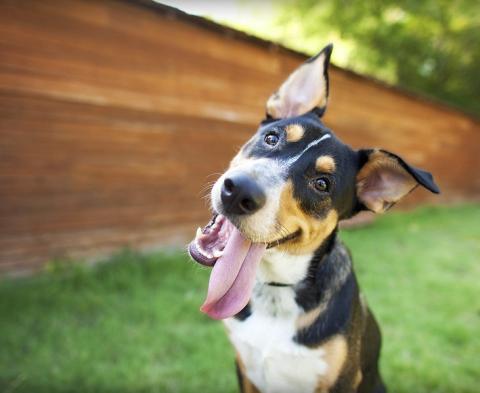
Discover everything you need to know about intestinal worms in dogs. Find out what intestinal worms your dog could have & what to do about it.

Wondering if you can get worms from your dog? Humans can get worms from dogs and you need to know how to keep you and your loved ones protected.

Roundworms in dogs can also affect people. Find out about symptoms & treatment in dogs and how to protect your dog and your family.


Learn more about whipworms in dogs, including symptoms, treatment and signs to look out for and how to protect your dog.

Is your dog at risk of tapeworms? Learn more about the symptoms, prevention and treatment of tapeworms in dogs.

Want to know more about hookworm in dogs? Learn about the symptoms of hookworms in dogs and what you can do to protect your dog.