


What are fleas?
Fleas are tiny, fast-moving parasites built to jump, feed, and reproduce quickly once they find a host. Despite their name, cat fleas (Ctenocephalides felis) are the main culprits in Australian dog infestations, often hiding in thick fur around the tail, belly, and neck.
What causes fleas on dogs?
If you’re asking, ‘How does my dog keep getting fleas?’, here are some typical ways dogs will pick up fleas:
Infested environments
The most common way pets pick up fleas is from the environment. Adult fleas rarely jump from pet to pet. Juvenile flea stages, flea eggs, larvae, and pupae live in the environment. Young adult fleas are stimulated to emerge from the pupae (cocoon) by your pet’s body temperature, movement, shadows and exhaled carbon dioxide. Within a second, your passing pet may acquire newly emerged fleas from the environment (for example: under the house or veranda, within the pet’s bedding, under leaf matter in parks or from the garden).
Wildlife visitors
Possums, rats and other wildlife can contaminate your home or garden with flea eggs that fall off their coats.
Exposure to new places
Parks, beaches, kennels, local dog groomers — these are all potentially contaminated environments where your dog could pick up fleas.
Lapse in prevention
If an effective flea control product is not given all year round, this can give fleas an opportunity to infest your pet and home.
Why are fleas a problem?
Fleas come with real health risks for both pets and people:
• Itchiness and skin disease: Flea bites can result in significant discomfort and skin issues, especially in dogs with flea allergy dermatitis.
• Flea tapeworm: This is the most common tapeworm infesting dogs in Australia and is transmitted by fleas. If your dog is infested you may notice them scratching or licking their bottom, and you may see worm segments in their faeces.
• Anaemia: In small or young dogs, blood loss from heavy infestations can lead to anaemia.
• Risk to people: Fleas can transmit infectious diseases to people, such as flea-borne spotted fever.
What can cause a dog to itch besides fleas?
There are many causes of itchy skin in dogs, such as environmental allergies, food sensitivities, or parasites. It’s best to speak with your vet if your dog develops skin issues.
Can a person get fleas from a dog?
Fleas prefer animals, but you might notice bites on your ankles or shins. Fleas are not likely to live on you in the way they live on your dog.
How to prevent fleas on dogs?
By the time you see adult fleas on your dog it’s most likely there are already flea eggs, larvae and pupae established in your home, so prevention is far better than cure.
• Use an effective flea control product such as NexGard SPECTRA® for Dogs all year round. Flea control should be used for all dogs and cats in the household. All pets in the household should be treated for fleas using an appropriate product.
• Wash pet bedding regularly and vacuum soft surfaces.
• Where possible, prevent untreated animals from entering your home environment.
Still wondering, ‘What can I do if my dog has fleas?’ Vets can offer personalised advice on what to give your dog for fleas based on size and lifestyle.
FAQ
-
Can a dog get fleas from grass?
Yes — fleas thrive in shady, moist outdoor areas and can jump onto your dog during walks or play.
-
Can a dog get fleas from outside?
Absolutely. Outdoor environments like parks and trails are common sources of fleas.
-
Can dogs get fleas in the winter?
Yes. Fleas survive in heated indoor spaces and remain active all year.
-
Can indoor dogs get fleas?
They can, for example on untreated pets or wildlife entering your home or garden.
-
What causes dogs to get fleas?
Exposure to infested environments such as the backyard or dog parks are typical ways that a dog would get fleas.
-
How do dogs get fleas in the house?
Fleas are typically brought into the home environment by untreated dogs and cats.
Related Articles
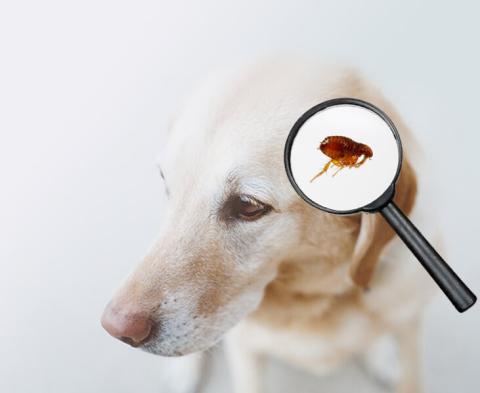
Fleas can be hard to find. Learn what fleas look like and how to check your dog for them.

Fleas on dogs and fleas on puppies can really make life unbearable for your furry friend. Read on to learn everything you need to know about fleas on dogs and how they can be treated and prevented.


Fleas on puppies can be distressing for your furry friend and they’re more than just a nuisance. Read on to learn everything you need to know about fleas on puppies and how they can be treated, controlled and prevented.