
Puppy care conversations with Dr Fiona Hendrie, Veterinary Surgeon
Thinking of welcoming a new puppy into your home? Find out about some of Australia's most popular dog breeds.
Labrador Retriever
Labradors are a classic choice for families, singles, and retirees alike. Known for their friendly demeanour and temperament, they’re generally great with kids and other pets.
• Labrador Size: Medium to large, typically 25-36 kg.
• Labrador Colours: Black, yellow, and chocolate shades are the most common.
• Labrador Personality: Labradors are affectionate, energetic, and highly trainable. They’re also fantastic as therapy or service dogs.
These dogs thrive in active households where they can enjoy regular walks, playtime, and mental stimulation. If you’re ready for a loyal, fun-loving companion, a Labrador might just be the perfect fit.
Cavalier King Charles Spaniel
Renowned for their affectionate and loving personality, Cavalier King Charles Spaniels make great pets for families.
• Cavalier King Charles Spaniel Size: Small, 5-8 kg.
• Cavalier King Charles Spaniel Colours: Blenheim (red and white markings), Black and Tan (Black with tan markings over the eyes, inside ears and under the tail), Tri-Coloured (black and white with tan markings) and Ruby (all over rich red).
• Cavalier King Charles Spaniel Personality: They are known for their friendly, patient and loving personalities.
Named after the British monarch who popularised the breed, they thrive on human interaction and make excellent companions for individuals and families.
Poodle
Poodles come in three sizes—Standard, Miniature, and Toy—making them versatile for different lifestyles.
• Poodle Size: Small to medium, weighing between 3 kg (toy poodle) to 32 kg for a standard poodle
• Poodle Colours: A range of colours, including white, black, and apricot.
• Poodle Personality: Intelligent, alert, and full of energy.
Poodles are hypoallergenic, which means they’re a great choice for people with allergies. They’re also highly trainable and enjoy activities like agility or obedience training.
Cavoodle
Cavoodles are a crossbreed of a Cavalier King Charles spaniel and a Poodle (often miniature or toy).
• Cavoodle Size: Small, typically weighing 5-12 kg.
• Cavoodle Colours: A wide variety of colours.
• Cavoodle Temperament: Lively, affectionate, curious.
Cavoodles make fantastic family pets. They are generally people-orientated and enjoy attention.
German Shepherd
Looking for a smart, protective, and hardworking breed? German Shepherds tick all these boxes.
• German Shepherd Size: Large, usually 30-40 kg.
• German Shepherd Personality: Loyal, courageous, and intelligent, they’re known for their ability to learn quickly.
German Shepherds often work as police or service dogs and make excellent family pets. They bond deeply with their owners and are incredibly versatile. However, they do best with experienced owners who provide proper training and regular exercise.
Golden Retriever
Golden Retrievers are often associated with family life—and for good reason. They’re friendly, playful, and easy to train.
• Golden Retriever Size: Large, weighing 25-34 kg.
• Golden Retriever Colours: Shades of gold ranging from light cream to dark.
• Golden Retriever Personality: Outgoing, loyal, and highly social.
These dogs thrive in active households where they can participate in games, walks, and training. Their gentle nature makes them especially good with children.
Chihuahua
Don’t let their tiny size fool you—Chihuahuas have huge personalities.
• Chihuahua Size: Small, usually 1-3 kg.
• Chihuahua Colours: Various shades, including tan, black, and white.
• Chihuahua Personality: Bold, loyal, and full of character.
Chihuahuas are ideal for those who live in apartments or have less space. They bond closely with their owners and make great lap dogs. However, their delicate size means they’re best suited to homes without young children.
Beagle
Beagles are curious and playful, making them excellent pets for families with active lifestyles.
• Beagle Size: Medium, 9-14 kg.
• Beagle Colours: Usually a mix of white, black, and tan.
• Beagle Personality: Friendly, energetic, and always ready to explore.
These dogs are happiest when they’re part of a pack, whether that’s your family or other pets. Their keen sense of smell also makes them great for scent-based games.
Siberian Husky
Siberian Huskies are known for their striking blue eyes and thick coats.
• Siberian Husky Size: Medium to large, 16-27 kg.
• Siberian Husky Colours: A black, white, and grey mix.
• Siberian Husky Personality: Energetic, friendly, and independent.
Huskies are perfect for active owners who enjoy outdoor activities. They require regular exercise and are known for their playful, mischievous streak.
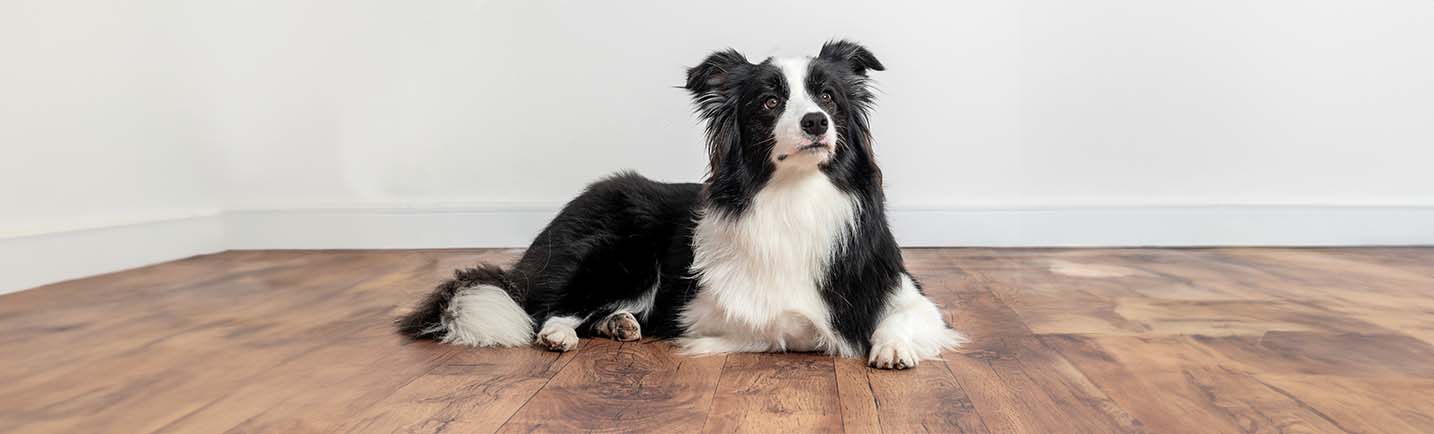
Border Collie
An active, intelligent breed, the border collie must have the opportunity to get lots of exercise.
• Border Collie Size: Medium, 14-20 kg.
• Border Collie Colours: Black with or without white, red and white, solid colour, bi-colour, tri-colour, merle or sable.
• Border Collie Personality: Intelligent, energetic.
Border collies are active, working dogs. If confined without activity and company, these dogs can become unhappy and destructive. The breed is highly intelligent, learns quickly and responds well to praise.
Which Breed of Dog Should You Get?
We all love them as pets, but what is the purpose of dogs in our home? Choosing the right dog breed can feel overwhelming, but it ultimately depends on your lifestyle and preferences. Let’s explore some popular options based on different needs.
Best Dog Breeds for Families
Consider dog breeds like the Labrador Retriever, Cavalier King Charles Spaniel or Cavoodle. These family-friendly dogs are known for their happy, patient, and playful nature, making them perfect companions for kids. They thrive on interaction and are happiest when they’re part of an active household.
Best Dogs for Apartments
Living in an apartment doesn’t mean you can’t have a dog. Toy breeds like toy poodles and Chihuahuas are excellent choices for smaller spaces. These dog breeds are adaptable, relatively low-energy, low-shedding, and don’t require a lot of room to be happy. They’re perfect for those who want a loving companion without needing a large backyard.
Best Dogs for Protection
If security is a priority, German Shepherds and Siberian Huskies are top contenders. German Shepherds are loyal and intelligent, often serving as a good family guard dog. Huskies, while more independent, are highly alert and can serve as a deterrent to intruders with their powerful build and keen senses.
Best Dogs for the Elderly
Cavalier King Charles Spaniels and small poodles are great options for older owners or those seeking a gentle companion. Both breeds are low-maintenance and affectionate, providing endless love without being too demanding. Their smaller size and calm demeanour make them ideal for seniors or those with less mobility who might even need a therapy dog.
FAQ
-
What Dogs Are Banned in Australia?
Australia has strict regulations on certain very aggressive dog breeds. Breeds like the Pit Bull Terrier, Japanese Tosa, Dogo Argentino, and Fila Brasileiro are prohibited under national laws to ensure public safety. These breeds are restricted due to their history of aggressive behaviour or their physical strength, which can pose risks if not properly managed.
If you’re considering adopting or bringing a dog into Australia, make sure to check the local regulations to avoid any legal issues.
-
What Is the Most Expensive Dog in the World?
The Tibetan Mastiff holds the record as one of the most expensive dog breeds globally. This majestic and rare breed, known for its lion-like mane and impressive size, can sell for tens of thousands of dollars. In some cases, purebred Tibetan Mastiffs have been purchased for prices exceeding $1 million, especially in countries like China, where they are seen as a status symbol. Their high price reflects their rarity, unique appearance, and centuries-old lineage as loyal guard dogs.
-
Which Breed of Dog Lives the Longest?
Chihuahuas are widely recognised for their exceptional average lifespan, often living between 12 and 20 years. In general, smaller breeds have a longer life span than large or giant breeds. Proper care can help your furry friend stay healthy and happy well into their golden years.
-
What Is the Rarest Dog Breed?
The Norwegian Lundehund is often considered the rarest dog breed in the world. Originating from Norway, this unique breed was historically used to hunt puffins along steep cliffs. Its extraordinary physical traits set the Lundehund apart, including six toes on each paw, the ability to bend its head backward to touch its spine, and highly flexible shoulder joints. Despite their fascinating history and distinctive abilities, Lundehunds are incredibly rare today, with only a small population existing globally due to past threats to their survival.
Related Articles
Wondering if your dog has worms? Learn the symptoms of worms in dogs to make sure you know what to look for.
Differentiate warning signs of illness from stress or playfulness with this guide to understanding your dog’s body language.
Dental care for dogs is important to avoid tartar buildup, gum disease, bad breath and even more serious conditions.
Copyright and Trademark Notice
NEXGARD SPECTRA®, NEXGARD®, HEARTGARD30® and PARAGARD® are registered trademarks of the Boehringer Ingelheim Group.
©2026 Boehringer Ingelheim Animal Health Australia Pty. Ltd. All rights reserved. PET-0445-2025
See product label for full claim details and directions for use.