
What to Feed Kittens
Managing your furry friend's diet is a key component of ongoing cat care. Feeding kittens the right food at the right stages of their development will give them the strength to grow strong and healthy. While every feline friend is different, a general kitten food guide based on their age includes:
• What to Feed Newborn Kittens: Newborn kittens without a mother need kitten milk replacement formula, not cow's milk, as it lacks the necessary nutrients. Bottle feeding is essential during this stage.
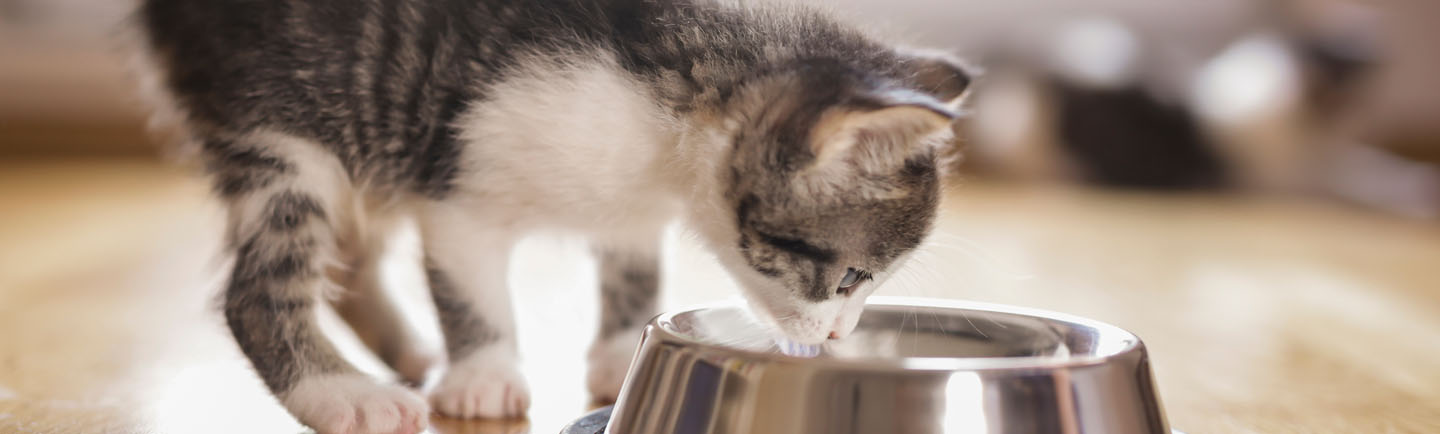
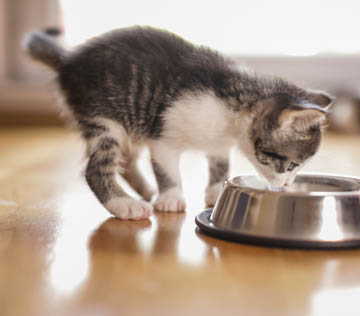
• What to Feed Kittens at 4 Weeks Old: At four weeks old, kittens begin to wean and can start nibbling on solid foods. Begin with wet kitten food or dry kitten kibble moistened with water to make it easier for them to eat. They will still rely heavily on milk but will gradually start eating more solid food. Dry kitten food offers benefits such as portion control, longevity, dental health, and kitten-friendly kibble.
• What to Feed Kittens at 6 Weeks Old: By six weeks, kittens can eat more solid food. Provide specially formulated wet or dry kitten food. Gradually reduce the amount of water added to dry food as they get used to the texture. Wet kitten food is beneficial for its enticing aroma, softer texture and hydration benefits.
• What to Feed Kittens at 8 Weeks and Older: From 8 weeks, kittens should be able to eat dry or wet kitten food without added water. Ensure the food is specifically designed for kittens. Provide fresh, clean water at all times.
By following this feeding guide for kittens, you can ensure they get the nutrition they need at each stage of their development.
Can Kittens Eat Adult Cat Food?
Kittens have unique nutritional requirements that differ from adult cats, so you need to provide them with food specifically formulated for their growth and development. Kitten food is designed to meet these needs.
For those looking at different types of food for a kitten:
• Wet cat food for kittens: Ideal for hydration and the soft texture typically makes them more enticing.
• Dry cat food for kittens: May help with dental health and is convenient to store.
Can a Kitten Drink Cow Milk?
Movies, cartoons, and books regularly portray kittens drinking milk, but is this really the best course of action for your feline friend?
Kittens can drink their mother’s milk because their bodies produce the enzyme lactase, which digests lactose (the sugar found in milk). Lactase breaks down lactose into two simple sugars, glucose and galactose, easily absorbed into the kitten’s bloodstream. After weaning, they often lose the ability to digest lactose and may develop lactose intolerance.
If you're wondering, "Can a kitten drink regular milk?" or "Can a kitten drink whole cow milk, specifically?", the answer is no. While kittens can digest their mother’s milk, they should not drink cow milk because they do not have the proper enzymes to break down the sugars in cow milk.
When Do Kittens Start Eating Food?
Wondering, "When do kittens start eating solids?" or "When will kittens start eating solid food?" Kittens can begin transitioning to solid food from around three to four weeks of age. At this stage they can start eating moistened dry kitten kibble or wet kitten food. It’s the time of life when they are gradually introduced to solids, marking the beginning of the weaning process. By the time they are 8 weeks old, kittens are typically fully weaned from their mother’s milk and can consume dry or wet kitten food independently.
How Much to Feed a Kitten
The recommended quantity of food you feed your kitten will vary based on their age and weight, and the type of food. The kitten diet you use should provide a guide on the packaging,or reach out to your veterinary clinic if you’re unsure. It's important to adjust portions as they grow to ensure they receive the proper nutrition.
While age and weight are determining factors in the amount of food your cat needs, there are some other points you may need to consider:
• Cat Breed: More sizeable breeds, such as Maine Coons, generally require more food than their smaller counterparts.
• Energy Levels: Cats that regularly burn off lots of energy through regular bouts of activity often need more food than those who prefer lounging around.
• Desexing: Desexed cats typically have lower energy needs than entire cats and so will need less food.
• Season: Some cats eat less during the summer, possibly because they don't need as much energy to stay warm.
How Often to Feed Kittens
Again, if you are uncertain of how often you should feed a kitten, it helps to base your estimations on their age and weight.
Kittens have small stomachs and kitten’s feeding schedule would involve more frequent, smaller meals compared to adult cats. After weaning, it’s generally recommended to feed your kitten 3 to 4 times a day.
FAQ
-
Should Kittens Drink Water?
Yes, make sure your kitten has access to fresh, clean water at all times.
-
When Do Kittens Stop Drinking Milk from Their Mother?
Kittens are usually completely weaned by around 8 weeks of age. -
What to Feed a Kitten with Diarrhoea?
Always consult with your vet for the best course of action as diarrhoea can be serious in kittens. Your vet may recommend a specially formulated bland diet.
-
How to Dilute Cow Milk for Kittens?
Giving kittens cow's milk (or milk from any other species) is generally not recommended, as it can cause digestive issues. After weaning, kittens don’t need milk and can be offered fresh, clean water instead. If a kitten without a mother is being hand-reared, a specially formulated kitten milk replacer should be used.
-
When to Switch a Kitten to Cat Food?
Kittens can be switched to adult cat food around their first birthday. This is when they reach full maturity and their nutritional needs change. Transition gradually over a week to avoid digestive upset.
Related Articles


While there are a host of infectious diseases that can harm your feline friend, there are also several vaccinations available that can protect your kitten to ensure they enjoy a happy, healthy life.


Want to know more about worms in kittens? Learn about the different types of worms, the symptoms and treatment.

Is your kitten showing signs of ringworm? Explore symptoms, causes and treatment options here.
Copyright and Trademark Notice
NEXGARD SPECTRA®, NEXGARD®, HEARTGARD30® and PARAGARD® are registered trademarks of the Boehringer Ingelheim Group.
©2026 Boehringer Ingelheim Animal Health Australia Pty. Ltd. All rights reserved. PET-0445-2025
See product label for full claim details and directions for use.