


Understanding the Lifetime Commitment
Time and Attention: Dog ownership may be a 15+ year commitment that requires consistent daily attention, regardless of your schedule or mood. Puppies need even more intensive care, including multiple bathroom breaks throughout the day, ongoing training sessions and socialisation with people and other dogs.
- Are you able to provide 2-3 hours of dedicated attention daily?
- Are you prepared for early morning walks, regardless of weather?
- Do you have backup plans for when you're travelling or working late?
-
It is important to remember that the initial cost of buying a dog is just the beginning of your financial commitment. There are other financial costs to consider such as purchasing a good quality dog food, grooming, bedding, toys, health care, such as parasite prevention and vaccinations, and veterinary visits.
Where to Find Your New Best Friend
Acquiring a dog from an animal rescue group or breeder depends on your preferences and lifestyle, and there are benefits to both.
Animal shelters and rescue organisations across Australia house thousands of dogs waiting for their forever homes. It typically costs several hundred dollars to take on a dog from a shelter or rescue group, which usually includes desexing, microchipping and vaccinations. Adult rescue dogs often come with established personalities and basic training, though they may require patience and consistency to adjust to new environments and routines.
Alternatively, buying a dog from registered dog breeders may provide more predictability in terms of temperament, size and health predispositions.
Reputable dog breeders conduct health testing on parent dogs, provide detailed genetic histories and may offer ongoing support throughout the dog's life. When you buy a dog from a breeder, expect to pay thousands of dollars depending on the breed and the investment that the breeder has put into the health and wellbeing of raising healthy puppies.
A good dog breeder will ask you as many questions as you ask them, ensuring their puppies go to appropriate homes. They'll provide health certificates, vaccination records and detailed care instructions.
The Family Dog: A Guide for Households with Kids
When choosing a family dog, temperament will be an important consideration if you have kids. Key traits you’ll want to look out for include patience with children's unpredictable behaviour, physical sturdiness to handle enthusiastic play, natural gentleness, and non-aggressive tendencies even under stress.
Breeds traditionally excellent with children include Labrador Retrievers, Golden Retrievers, Beagles, and certain Terriers like the Bull Terrier. However, remember that individual dogs within breeds can vary significantly and children should always be supervised around dogs, regardless of their breed.
When buying a dog of any age, socialisation is important to ensure a well-mannered dog. Involving children in age-appropriate dog care teaches responsibility, strengthens bonds and helps socialise your dog. Young children can help with feeding routines and gentle grooming, while older kids can assist with training and exercise.
Another consideration is energy levels. For example, active families with older children might thrive with a high-energy breed that enjoys outdoor adventures, while families with toddlers might prefer a calmer companion.
The Apartment Dog: A Guide for City Living
Good apartment dogs are defined by their indoor behaviour and energy levels rather than their size. A large, calm Greyhound may be a better apartment companion than a small, active Jack Russell Terrier. If you live in an apartment, consider breeds known for being content with indoor time, having lower barking tendencies and adapting well to urban environments. Excellent apartment breeds include Cavalier King Charles Spaniels, Greyhounds, and Bichon Frises. These dogs typically have moderate exercise needs, quieter temperaments and good adaptability to routine changes.
However, commitment to daily walks and outdoor exercise is still an important consideration when having a dog in an apartment. Find local dog parks, off-leash areas and green spaces that will become part of your daily routine with your dog.
It’s a good idea to review your building’s policies around dog ownership before you decide to buy a dog.
The Dog for Those Working Away from Home: A Guide for the 9-to-5
People who are away from home most of the day should look for dog breeds known for independence and lower anxiety levels, such as Basset Hounds, Shar-Peis, and Shiba Inus. These breeds typically have calmer temperaments and don't require constant human interaction to remain content.
Establishing consistent routines becomes crucial dog owners who are away from home most of the day. Dogs thrive on predictability, so maintaining regular feeding times, bathroom breaks and exercise schedules helps them cope with alone time.
Dog owners who are away from home most of the day should consider budgeting for dog walkers, doggy daycare and pet sitters for longer work days.
The Senior's Companion: A Guide for Retirees
Senior dog owners often find the greatest joy in calm, affectionate companions that enjoy gentle walks and quiet companionship. Consider breeds like Miniature or Toy Poodles, Shih Tzus, Maltese, and West Highland White Terriers, which offer loving temperaments without overwhelming energy demands. Buying an older dog from a shelter can be ideal for retirees, as they come with established personalities and lower energy levels than puppies.
Owning a dog helps increase daily activity, social connections and emotional companionship, so there are many positive aspects to having a canine companion.
The Adventurer's Dog: A Guide for Active Singles/Couples
Active individuals need true adventure partners with stamina, intelligence and strong trainability. Australian Shepherds, Border Collies, Australian Kelpies, Australian Cattle Dogs and Vizslas excel at hiking, running, and outdoor activities. These breeds require mental stimulation alongside physical exercise and thrive with owners who enjoy training and bonding through activities. These intelligent breeds learn quickly but require consistent, positive training methods and ongoing mental challenges to prevent boredom-related behaviours.
Buying a Dog Summary
Buying a dog requires honest self-assessment, thorough research and realistic preparation for what is a long, but very rewarding, commitment. This article was designed to help you on your journey to finding the perfect companion. However, remember that these are not concrete rules and every dog is an individual with unique personality traits. When you look to buy a dog, prepare thoroughly and commit completely. You're not just buying a dog, you're welcoming a family member that’ll provide lots of love and companionship.
FAQs
-
Is the dog breed or the personality more important when buying a dog?
While breed characteristics provide helpful guidelines, the individual dog's personality should ultimately take precedence when buying a dog. Breed traits indicate general tendencies, for example, Border Collies are typically high-energy and intelligent, but individual dogs within breeds can vary significantly.
-
What are the most important things I need to buy before my new dog comes home?
Essential purchases before bringing your new dog home include a properly fitted collar and leash, food and water bowls, age-appropriate high-quality food, a comfortable bed, and grooming supplies. Don't forget waste bags, toys for mental stimulation, and cleaning supplies for accidents. A secure crate or baby gates help establish boundaries and provide safe spaces.
Healthcare should be a top priority when buying a dog. Schedule a veterinary appointment within the first week to discuss preventative healthcare such as vaccination and parasite protection. Many veterinarians recommend NexGard SPECTRA, a tasty monthly chew that protects against fleas, ticks, mites, lice, heartworm and intestinal worms.
-
What is the most important factor when choosing a dog?
Lifestyle compatibility is the single most important factor when buying a dog. A dog's exercise needs, energy level, size and temperament should align with your living situation, work schedule and family dynamics. The right dog for you is one whose needs you can meet enthusiastically for their entire life, not just during the exciting puppy phase.
Related articles

Wondering what you need for your new puppy? NexGard provides the ultimate new puppy checklist that will give your pup the best start. Learn more with NexGard.

These helpful tips will ensure that your first night with a new puppy at home is comfortable for you both. See how you can help settle in a new puppy.

Congratulations on the arrival of the newest member of your family! This puppy hub will provide you with an introduction to the key things you need to know about puppy care, including puppy training, puppy health, new puppy tips and puppy school.

Learn about the importance of puppy school and when to start. Find out more about what to expect at puppy school, from training to advice on puppy care.

Read our guide on everything you need to know about looking after your new puppy including preparation, vaccination, grooming and socialising.


Want to know how to toilet train your pup? Learn our tips and tricks on how to toilet train your new puppy!
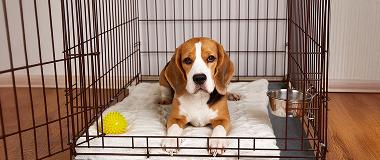

Wondering how to crate train your pup? Check out our tips on how you can crate train your puppy.

Puppy separation anxiety is one of the most common behaviour problems that puppy owners may face. Find out how to tackle and reduce separation anxiety.

House training or toilet training a puppy can be a challenging task. NexGard has a guide that can help with toilet training your puppy.
Copyright and Trademark Notice
NEXGARD SPECTRA®, NEXGARD®, HEARTGARD30® and PARAGARD® are registered trademarks of the Boehringer Ingelheim Group.
©2026 Boehringer Ingelheim Animal Health Australia Pty. Ltd. All rights reserved. PET-0445-2025
See product label for full claim details and directions for use.