
Puppy Vaccination Schedule

Reviewed by Dr Gavin Harper BVMS

Why is puppy vaccination important?

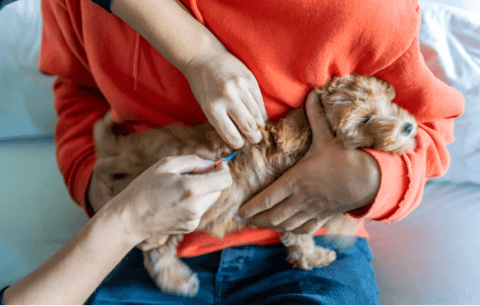
Puppy vaccinations protect pups from some of the most important infectious dog diseases, a number of which can be fatal. Vaccines contain weakened or inactive parts of a particular organism that triggers an immune response within the body. When you get your puppy vaccinated, the vaccine helps the body learn how to defend itself from these important diseases without the dangers of a full-blown infection.

Puppy vaccination
Puppy vaccination
Two Paragraphs

Puppy care conversations with Dr Fiona Hendrie, Veterinary Surgeon

Learn more about protecting your puppy from infectious diseases through puppy vaccinations.

Diseases that can be prevented through puppy vaccination

Vaccines are available for several important infectious diseases in puppies and dogs:

  • Canine Parvovirus
    A severe and frequently fatal cause of gastroenteritis. Disease is more common and severe in young puppies, but unvaccinated dogs of all ages can be infected.
     
  • Canine Distemper Virus
    A highly contagious and potentially fatal viral disease affecting the respiratory, gastrointestinal and central nervous system. Infected dogs may develop a range of signs including fever, coughing, sneezing, nasal discharge, vomiting, diarrhoea and seizures.
     
  • Infectious Canine Hepatitis
    An often fatal viral disease affecting the liver. Signs may include fever, depression, loss of appetite, vomiting and diarrhoea. In severe cases death can occur rapidly within 24 to 48 hours.
     
  • Leptospirosis
    A bacterial disease which can affect many different species, including dogs and humans. Infected dogs may develop problems such as liver disease, kidney disease and bleeding disorders.
     
  • Canine Coronavirus
    A highly contagious virus which may result in lethargy, loss of appetite, vomiting, diarrhoea and dehydration. In general, disease in young dogs is more severe than in adults
     
  • Canine Cough
    A common infectious disease which can be easily spread wherever dogs congregate. Signs include a dry hacking cough which may persist for several weeks. Organisms which can cause canine cough include Bordetella bronchiseptica and canine parainfluenza virus.


Types of puppy vaccines

There are several types of vaccines available for dogs, each designed to protect against different diseases. Core vaccines, often referred to as C3 vaccines, are typically administered by injection and provide essential protection against serious illness. In contrast, canine cough vaccines are commonly given orally or intranasally, offering targeted defence against respiratory infections.

Image
Puppy vaccination 1
Image
Puppy vaccination 2
Image
Puppy vaccination 3

Puppy vaccination schedule

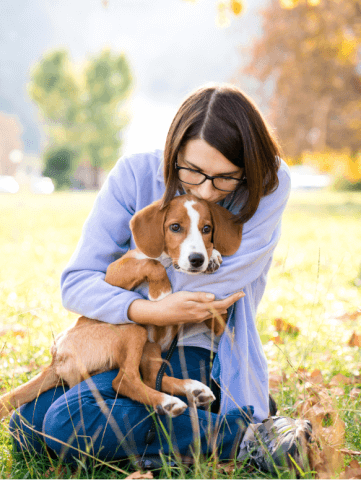
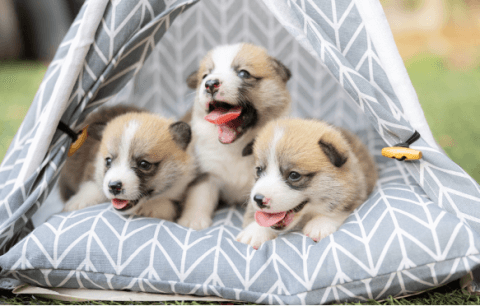
Very young puppies are usually protected against major infectious diseases by antibodies passed through their mother’s milk. However, this immunity is temporary. Puppies should begin a course of vaccinations - typically starting at around 6 weeks of age - to ensure ongoing protection. Your veterinarian will tailor the vaccination program based on your puppy's lifestyle and local disease risks.

It's a common misconception that vaccinating a puppy once provides lifelong immunity. Unfortunately, this is not the case. To maintain protection, regular booster vaccinations are essential throughout adulthood. These boosters stimulate the immune system, extending protection for an additional period. Without them, your dog’s immunity may decline, leaving them vulnerable to serious illness. Your veterinarian will recommend an appropriate booster schedule to keep your dog protected at every stage of life.

FAQs

  • When are puppy vaccinations done?

    The puppy vaccination course typically starts from 6-8 weeks of age. Your vet will advise you on the most appropriate vaccination schedule for your individual puppy.

  • How many vaccinations do puppies need?

    Puppies require a course of vaccinations to be fully immunised. Your veterinary clinic will advise you on the number of doses required according to your pup’s lifestyle and local disease conditions.

  • How long after the 2nd puppy vaccination can they go out?

    The safe time to start taking your puppy to public areas and to allow socialisation with other dogs will depend on the type of vaccines they have received and their age. Your veterinary clinic can advise you on when it is safe for your puppy to go out and start socialising.

  • How much are puppy vaccinations?

    The cost of a puppy vaccination course will depend on the type and number of vaccines that your puppy requires according to their lifestyle and local disease conditions. To find out more about how much puppy vaccinations cost, please contact your veterinary clinic.

hand-holding-phone
hand-holding-phone

Have reminders sent directly to your phone

Copyright and Trademark Notice

NEXGARD SPECTRA®, NEXGARD®, HEARTGARD30® and PARAGARD® are registered trademarks of the Boehringer Ingelheim Group. 
©2026 Boehringer Ingelheim Animal Health Australia Pty. Ltd. All rights reserved. PET-0445-2025

See product label for full claim details and directions for use.