


Key points about diabetes in dogs
Diabetes is often diagnosed with a routine blood test before the dog shows any signs.1
If you notice signs like increased thirst, urination, or weight loss, contact your vet right away. Early diagnosis can make a big difference.
Managing diabetes is a team effort. It’s a lifelong commitment that involves you, your vet and your dog. With the right care, your dog can thrive!
What is diabetes in dogs?
Diabetes in dogs is a condition the pancreas is unable to make sufficient insulin. Insulin is the hormone that helps move sugar (glucose) from the blood into cells so they can use it for energy. When this doesn’t happen, sugar builds up in the bloodstream, leading to symptoms like increased thirst (and therefore drinking), frequent urination, weight loss, and tiredness.
Diabetes can occur in any dog, however risk factors include obesity, dental disease, certain medications and even breed predisposition (such as Australian Terriers, Beagles, Samoyeds and Keeshonds)1. Some dogs may also have underlying conditions like pancreatitis or immune mediated disease which can increase their risk of diabetes.1
Regardless of the underlying cause, with the right diabetes treatment for dogs, a tailored diabetes dog diet, and regular vet monitoring - most dogs do well. Early detection of dog diabetes symptoms is key to keeping your furry friend feeling their best. So, what dog diabetes signs should you be looking for?
Canine diabetes symptoms
The most common signs a dog is diabetic are drinking more water, urinating more often, losing weight despite a healthy appetite, and seeming more tired than usual. You might also notice a dull coat or changes in your diabetic dog’s behaviour, like being less active or struggling to jump.
Cataracts can develop in the eyes of diabetic dogs leading to poor vision in low lighting. In late stage canine diabetes, serious complications like diabetic ketoacidosis (DKA) can occur, which may cause vomiting, loss of appetite, dehydration, and even confusion.1 DKA is a medical emergency, so early recognition of diabetic dog signs is crucial.
If you notice any symptoms of diabetes in dogs, don’t wait—chat with your vet. Early diagnosis and treatment can help your dog live a long, healthy life.
Know the signs of diabetes in pets
Watch Frank and Syd explain the signs of diabetes in cats and dogs that shouldn’t be overlooked by pet owners.
Diabetes treatment for dogs
While there’s no dog diabetes cure, most dogs do well with the right care.
Dogs with diabetes need insulin injections, which might sound scary, but the needles are tiny and most dogs tolerate them really well. There are different types of insulin options, so your vet will choose the best one for your dog. A diet that is designed for weight maintenance for a diabetes dog can also play a big role in managing blood sugar.1
Monitoring blood and vet visits are very important in providing the best treatment for your diabetic patient. With the right plan, your dog can live a long, happy life. In fact, dogs on insulin, combined with good care, can have a great life expectancy!
Diabetes in dog prognosis
Many diabetic dogs live long, happy lives when their blood glucose is continually well-managed. However, without treatment, dangerously high levels can lead to serious complications like diabetic ketoacidosis (DKA). Dogs with other concurrent health problems may have a more guarded outlook, but with the right support, many still do well.
The key? Stay on top of your dog’s blood glucose, work closely with your vet, and never skip check-ups or monitoring if your dog is unwell.
Diabetes dog diet
Most vets recommend diets with increased quantities of fibre or those that are designed for weight maintenance. Dietary therapy in dogs is to normalize body weight, increase muscle mass and to stabilize metabolism and the amount of insulin needed.1 Whether it’s dog food for diabetic dogs in cans or kibble, the best plan is one tailored with your vet’s help. Choosing good food for a diabetic dog and keeping an eye on weight are key parts of any effective diabetic dog diet. So, whether you’re shopping for canine diabetic food or just learning about dog food for diabetic dog needs, remember nutrition is powerful medicine.
References
- Behrend E, et al. (2018) AAHA Diabetes Management Guidelines for Dogs and Cats. J Am Anim Hosp Assoc. 54,1-21
FAQs
-
Is diabetes in dogs fatal?
It can be, if left untreated. But with proper care, most diabetic dogs live long, happy lives!
-
How common is diabetes in dogs?
Diabetes affects about 0.26-0.36% of dogs.
-
What are the symptoms of end-stage dog diabetes?
In the later stages, you might notice:
-Severe weight loss and tiredness.
-Constant thirst and urination.
-Intense hunger that turns into no appetite.
These can be signs of a serious emergency called diabetic ketoacidosis (DKA). If you notice these, contact your vet immediately.
Related articles


Arthritis in dogs is a common condition. This guide will cover dog arthritis treatment and management options and the symptoms to look out for.


Ticks are more than just a nuisance; they can cause a range of health issues for your pet, from mild irritation to life-threatening paralysis. But how can you tell if your dog has a tick? Recognising the symptoms of ticks in dogs early is essential for prompt treatment and preventing complications. The symptoms can vary based on the type of tick and how long it has been attached.

Worms such as roundworm, hookworm and whipworm can infect your dog and cause illness. Some worms that affect dogs can also infect and cause disease in humans. Learn everything you need to know about worms in dogs and how to keep your dog and your family protected.
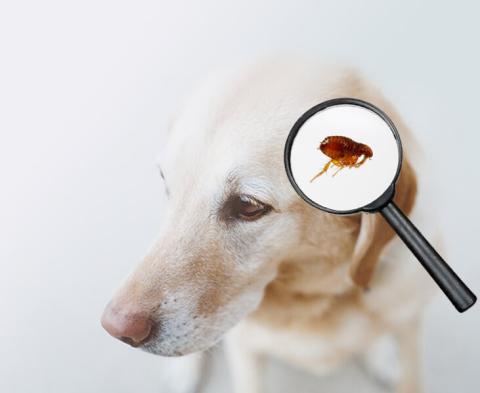
Fleas can be hard to find. Learn what fleas look like and how to check your dog for them.

Heartworm in dogs is a serious health issue which can be fatal. Learn more about heartworm symptoms, treatment and prevention.